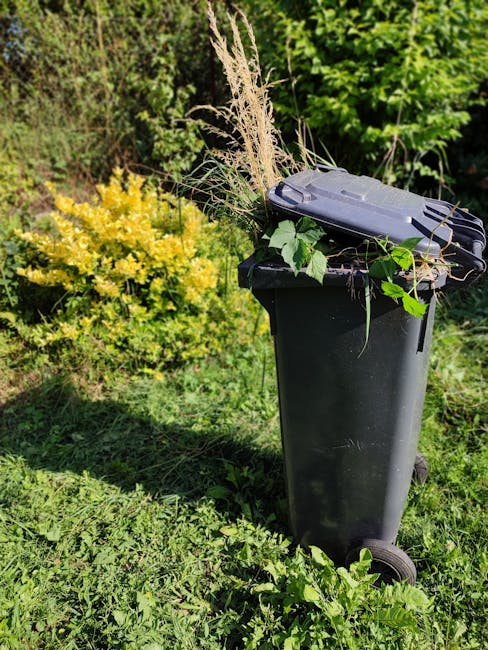
Camden Council garden waste rules for Swiss Cottage: a practical guide for local households
If you live in Swiss Cottage, garden waste can feel simple right up until collection day. One bag of hedge cuttings, a few prickly branches, a soggy heap of leaves after a damp week, and suddenly you are wondering what Camden Council will actually take, how it needs to be presented, and what happens if you get it wrong. The Camden Council garden waste rules for Swiss Cottage are worth understanding because the details affect whether your green waste is collected smoothly or left behind at the kerb. This guide breaks it down in plain English, with practical steps, common mistakes, and a few real-world tips from the sort of jobs that come up every week in London gardens.
We will also look at when council collection is enough, when you may need a bigger clear-out, and how to plan garden work so you are not left with a pile of branches that no one wants to touch. To be fair, that is usually where the headaches begin.
Why Camden Council garden waste rules for Swiss Cottage matters
Garden waste rules matter for a simple reason: green waste looks harmless, but councils handle it very differently from general household rubbish. A bin full of soil, broken pots, plastic ties, or treated timber can turn a straightforward garden collection into a rejected load. In a busy area like Swiss Cottage, where many gardens are compact and access can be awkward, those details matter even more.
There is also the practical side. If you are doing hedge trimming, mowing, pruning, or a full seasonal tidy-up, the volume of waste can build quickly. One decent afternoon in the garden and you may end up with far more material than your regular bin can handle. The better you understand the rules, the less likely you are to end up making multiple trips to move bags around or, worse, discovering the collection has been missed because the contents were not acceptable.
Another point people often overlook: correct sorting is not just about compliance. It is about making garden upkeep easier over the long run. A clean process means fewer interruptions, fewer odours from decomposing clippings sitting around, and less risk of pests gathering in stored waste. Not glamorous, obviously, but very real.
Quick takeaway: if you keep garden waste clean, light, and clearly separated from general rubbish, you greatly improve the chances of a smooth collection and a less stressful gardening routine.
How Camden Council garden waste rules for Swiss Cottage works
At a basic level, council garden waste rules are designed to keep organic waste separate from household rubbish so it can be collected and processed properly. For Swiss Cottage residents, that usually means thinking about what counts as green waste, how it should be set out, and whether your property is eligible for a regular collection arrangement or another disposal route.
In practice, the most important question is not "Is this from the garden?" but "Is this clean, compostable garden material?" Grass cuttings, leaves, small branches, hedge trimmings, weeds, and similar organic matter are typically the core of garden waste streams. By contrast, items like plastic plant pots, old compost bags, stones, soil, and treated wood usually do not belong in a garden waste collection. The exact accepted items can vary by council service, so it is always smart to check the latest local guidance before you place anything out.
For many residents, the process is straightforward:
- Separate garden waste from general household waste as you work.
- Keep the material as clean as possible, with minimal contamination.
- Use the collection method or container specified for your local arrangement.
- Set the waste out on the correct day and in the correct location.
- Make sure heavier items or restricted materials are dealt with separately.
That sounds simple, and most of the time it is. But the small details are where people get caught out. Wet clippings, loose soil on roots, or a few bits of plastic hidden in a bag can be enough to cause problems. If you have ever done a Saturday morning clear-up in drizzle, you will know how quickly clean waste becomes a muddy mixed bag.
Key benefits and practical advantages
Following the rules properly brings more than just peace of mind. It can make your whole garden routine tidier and less wasteful. Here are the main benefits people notice in real life.
- Fewer missed collections: compliant waste is less likely to be left behind.
- Cleaner garden space: clippings and leaves are removed before they start to smell or blow around.
- Less contamination: separating green waste keeps other household rubbish from being mixed in by accident.
- Better planning: once you know what can be collected, you can time pruning and mowing more sensibly.
- Less manual hauling: especially useful for flats, small terraces, and homes with awkward rear access.
There is also a broader sustainability angle. Organic garden waste can often be processed more efficiently when it is sorted properly. If your household is trying to be more environmentally careful, this is one of the easier wins. A garden tidy-up does not have to feel like a minor expedition with six black sacks and a rickety wheelbarrow. It can be orderly. Slightly dull, yes, but orderly.
For people planning larger outdoor work, it is often helpful to think ahead. For example, if you are arranging hedge cutting alongside lawn care or seasonal maintenance, it may make sense to line up the waste handling at the same time. Services such as garden maintenance and hedge trimming can be planned around collection days so less material sits around for too long.
Who this is for and when it makes sense
This topic matters to a wide range of people in Swiss Cottage. Some households only need it occasionally, while others are dealing with green waste every single week in growing season. The right approach depends on your garden size, your access, and how much work you are doing yourself.
You will especially want to pay attention if you are:
- a homeowner with a modest front or back garden
- a tenant responsible for keeping an outdoor area tidy
- a landlord or letting agent overseeing shared exterior space
- a busy family trying to keep on top of regular mowing and pruning
- someone doing a one-off clear-out before landscaping work
- a gardener or property manager arranging recurring maintenance
It makes sense to focus on the rules before a bigger job, not after. For example, if a hedge is overdue for cutting back or a lawn has gotten away from you after a wet spell, the waste can be surprisingly bulky. A large cut-back also tends to produce mixed material: light clippings, thicker stems, maybe some old plant supports or dead roots. That is when careful sorting becomes important.
And if the garden is more than a quick tidy? A proper clearance may be the cleaner route. Our garden clearance service is often the sort of option people consider when they have more than the council system can comfortably handle. A full rework, seasonal reset, or overgrown patch is a different job from a few bags of leaves.
Step-by-step guidance
If you want to stay on the safe side, follow a simple process every time you handle garden waste. It saves time, honestly. And it keeps you from making rushed decisions in the middle of a messy job.
1. Identify the waste as you create it
Do not wait until the end of the job to sort everything. Put green waste, general rubbish, and reusable items into separate piles as you go. This is especially helpful when trimming shrubs or clearing borders, because mixed piles are much harder to sort later.
2. Remove contamination early
Take out plastic ties, plant labels, broken pots, bits of wire, stones, and anything that clearly does not belong in the garden waste stream. A couple of minutes here can save a rejected collection later. You would be surprised how often a little bit of plastic foil gets tucked into a bag without anyone noticing.
3. Keep material manageable
Break down large branches where possible. Flatten bulky foliage. Tie smaller bundles if that is the accepted local method. The aim is to make the waste easier to lift, easier to collect, and less likely to spill all over the pavement on a windy morning.
4. Use the right container or presentation method
Follow the local arrangement for bins, sacks, or bundles. If a collection is scheduled, set the waste out in the right place and at the right time. A neat set-out matters more than people think. A tidy row of properly prepared waste looks very different from a half-open sack with soil falling out of the bottom.
5. Separate heavy or restricted material
Do not mix in soil, rubble, builders' waste, or treated timber unless local guidance explicitly allows it. These materials often need a different route. If you are doing landscaping or a garden redesign, waste can become more complex than a standard green collection. In that case, check the scope before you start pulling things apart.
6. Review what is left over
Once the main waste is gone, assess what remains. Sometimes it is a small amount that can wait for the next collection. Sometimes it is a bigger pile that points to a more serious maintenance issue. That is usually when people decide to move from one-off tidying into regular lawn care or broader garden upkeep.
Expert tips for better results
There are a few habits that make life noticeably easier, especially in a London setting where space is limited and weather can turn the simplest job into a damp one. These are the things people usually learn the hard way, then never forget.
- Trim before the pile gets huge: smaller, frequent cuts are much easier to manage than a once-a-season jungle rescue.
- Work dry if you can: wet cuttings are heavier, smellier, and more awkward to move.
- Use breathable storage if waste must wait: sealed bags can get slimy fast in warm weather.
- Plan around windy days: leaves and twigs seem to have a talent for escaping at exactly the wrong moment.
- Keep a small sorting area near the back door: it sounds fussy, but it saves endless back-and-forth.
Another useful habit is to align garden work with maintenance cycles. If you know a hedge will shed heavily after cutting, schedule the waste removal on the same day or the next. If you are tidying borders, mow first, then collect clippings after. Small process changes, big difference.
For recurring upkeep, a broader service approach can help. A mixture of lawn mowing, routine maintenance, and occasional clearance often gives better control than trying to tackle everything in one exhausting burst.
Common mistakes to avoid
Most collection problems come from a short list of avoidable errors. Nothing dramatic. Just little oversights that snowball.
- Mixing green waste with general rubbish: a single contaminated bag can cause a problem.
- Including soil or rubble: these are heavy and usually treated separately.
- Leaving waste loose and untidy: wind, rain, and street access all become issues.
- Putting out waste on the wrong day: easy to do when routines change.
- Assuming every garden material is accepted: not everything from the garden belongs in garden waste.
- Overfilling bags: they split, spill, and are hard to handle safely.
One common mistake is waiting until the end of a project to deal with all the waste. By then, the pile is usually mixed, muddy, and much harder to sort. Truth be told, it is one of those jobs that feels manageable for about fifteen minutes and then gets annoying very quickly. Better to stay ahead of it.
Another issue is underestimating larger branches or root material. If the garden includes mature shrubs, small trees, or overgrown hedges, waste handling needs more thought. In those cases, services such as tree lopping and removal may be a more suitable way to handle the heavier end of the job.
Tools, resources and recommendations
You do not need specialist equipment for everyday garden waste, but a few simple tools make everything cleaner and safer.
- Heavy-duty garden bags: useful for leaves, clippings, and lighter pruning waste.
- Rake and leaf scoop: makes collection neater after mowing or border work.
- Secateurs and loppers: help reduce bulky stems into manageable sections.
- Tarpaulin: handy for dragging waste to the front of the property without scattering it everywhere.
- Wheelbarrow or trug: especially useful if access is tight.
If you are planning a larger seasonal tidy, it helps to think about the whole job before you start. A lot of people focus on the obvious waste and miss the bits hidden under shrubs, behind planters, or inside overgrown beds. Then the second wave appears. Naturally.
For homeowners comparing their options, it may help to look at the bigger picture too. Our services overview is a useful starting point if the waste problem is part of a larger maintenance or landscaping project. If you want to understand how work is typically scoped and priced, pricing and quotes can also give you a clearer idea of what to expect.
And if sustainability matters to you, it is worth pairing waste planning with sensible reuse and recycling habits. The page on recycling and sustainability is a good fit for households that want to keep outdoor work as responsible as possible.
Law, compliance, standards, or best practice
Garden waste handling sits within a broader UK expectation that waste should be sorted properly and presented in the right way for collection or disposal. The exact Camden Council arrangements can change over time, so the safest approach is to treat local council guidance as the final word for day-to-day collection details. If you are unsure, check before setting anything out.
As a rule of thumb, best practice for garden waste is simple:
- keep organic waste separate from non-organic material
- avoid contamination from plastics, metals, soil, stones, and treated wood
- follow the council's container and set-out instructions
- do not overfill bags or bins beyond what can be safely handled
- store waste in a way that does not cause nuisance, litter, or drainage issues
If you are doing work that involves branches at height, heavy lifting, sharp tools, or awkward access, safety matters as much as disposal. A bit of caution goes a long way here. Our health and safety policy and insurance and safety information are useful references when you are thinking about responsible garden work.
For households that use outside help, it also makes sense to understand service terms clearly. The page on terms and conditions is worth reading before agreeing to a bigger job, especially if the work includes clearance or removal rather than just routine maintenance.
Options, methods, or comparison table
There is rarely just one way to handle garden waste in Swiss Cottage. The best option depends on volume, timing, and how much you want to do yourself.
| Option | Best for | Pros | Limitations |
|---|---|---|---|
| Council garden waste collection | Light to moderate green waste | Simple, familiar, usually the easiest option for routine clippings and leaves | May not suit bulky, contaminated, or mixed waste |
| DIY bagging and set-out | Small tidy-ups | Low effort if the waste is already sorted and manageable | Needs space, correct timing, and careful preparation |
| Professional garden clearance | Overgrown gardens or larger jobs | Handles bulk, awkward access, and mixed green waste more efficiently | Less suitable if you only have a small amount of waste |
| Ongoing maintenance schedule | Homes with regular growth | Prevents waste piles from building up in the first place | Requires consistency and planning |
For many Swiss Cottage properties, the most practical answer is a mix of methods. Routine clippings can be managed one way, while seasonal cut-backs or heavier pruning are handled another way. It does not need to be all or nothing. In fact, forcing everything into one system is often where people create extra work for themselves.
Case study or real-world example
Here is a typical local scenario. A small terraced garden in Swiss Cottage has gone a bit wild after a wet, busy spring. The lawn needs cutting, the shrubs have grown out over the path, and the back border has a layer of leaves tucked under the fence. The homeowner starts with good intentions, then ends up with three separate types of waste: fine clippings, thicker hedge cuttings, and a few old plant supports that were hidden in the border.
At first glance, it looks like one job. It is not.
The sensible move is to split the waste as it is produced, keep the green material clean, and identify anything that should not go into a garden waste collection. The lawn clippings are straightforward. The hedge cuttings are fine if they are manageable and free from contamination. The broken stakes and plastic ties need to be removed. The result is a tidy set of waste that can be dealt with without last-minute panic.
In that kind of situation, the homeowner often decides to add a regular lawn mowing schedule and occasional hedge trimming so the waste never gets that far out of hand again. Small lesson, really: the easier you keep the garden through the year, the less unpleasant the clear-up becomes in one big rush.
Practical checklist
Use this checklist before you put out any garden waste in Swiss Cottage.
- Have I separated green waste from general household rubbish?
- Have I removed plastic, wire, pots, tags, and other non-organic items?
- Have I kept soil, rubble, and treated wood out of the pile?
- Is the waste bagged, bundled, or contained in the correct way?
- Is the material light enough and safe enough to move?
- Have I checked the collection day or disposal route?
- Will the waste stay tidy and secure until collection?
- Do I need a bigger clearance or a maintenance plan instead?
If you can tick every box, you are in good shape. If not, pause and sort it properly. A few extra minutes now can save a whole afternoon later. And frankly, that is time well spent.
Conclusion
The Camden Council garden waste rules for Swiss Cottage are not complicated once you break them down, but they do reward a careful approach. Keep green waste clean, separate, and manageable. Avoid mixing in unwanted materials. Plan bigger jobs with the collection system in mind. That is the core of it.
For small, regular garden upkeep, a tidy routine is usually enough. For larger or more overgrown gardens, it may be smarter to combine council collections with structured clearance or ongoing maintenance. Either way, the goal is the same: less mess, less stress, and a garden that feels manageable rather than annoying. A good garden should feel like a place to breathe for a minute, not a weekend problem waiting to happen.
If you need help planning a tidy-up, balancing waste removal with maintenance, or deciding whether a bigger clearance is the better route, our local team can help you think it through clearly and calmly.
Get a free quote today and see how much you can save.
Frequently Asked Questions
What counts as garden waste in Swiss Cottage?
In most cases, garden waste means organic material such as grass cuttings, leaves, hedge trimmings, weeds, and small prunings. Items like plastic pots, stones, soil, and treated timber usually fall outside that category.
Can I put soil in my garden waste collection?
Usually, soil is treated differently from green garden waste because it is heavy and behaves more like inert material. It is best to check the local collection guidance before including it.
What happens if my garden waste is contaminated?
If the waste includes too much non-garden material, it may be left behind or rejected. Even small bits of contamination can create a problem, so it is worth sorting carefully before collection day.
Do I need to bag garden waste before putting it out?
That depends on the collection method being used. Some arrangements require specific containers or bundling, while others have different set-out rules. The important thing is to follow the local instructions exactly.
How should I deal with hedge trimmings and branches?
Smaller hedge cuttings are usually easier to manage, but thicker branches may need to be cut down further or handled separately. If the material is bulky, it may be better suited to a clearance service.
Is it okay to mix grass cuttings with leaves?
Yes, both are organic garden waste in most routine situations. The key is to keep them free from contamination and present them in the correct way for collection.
What if I have more waste than the council collection can take?
If the pile is larger than a normal household collection can comfortably handle, you may need a separate clearance or a phased approach. Planning the work in smaller stages can also help.
How often should I clear garden waste from my property?
There is no single answer. It depends on how fast your garden grows, how much you prune, and whether you are doing regular maintenance. Weekly or fortnightly tidy-ups are often easier than leaving everything until the end of the season.
Can I leave garden waste in the front garden until collection day?
Only if it is allowed by the local collection rules and it is stored neatly and safely. Waste should not create a nuisance, block access, or become a hazard in bad weather.
What is the best way to avoid rejected garden waste?
Keep the waste clean, remove non-organic items, do not overfill containers, and follow the exact collection method required. Most problems come from rushed sorting rather than the garden waste itself.
When does it make sense to book professional help instead?
If the garden is overgrown, the access is awkward, or the waste is bulky and mixed, professional help can save time and reduce hassle. It is often the better choice when a simple council collection is not enough.
Where can I get help with ongoing garden upkeep in Swiss Cottage?
If you want to stay ahead of the mess, regular maintenance is often the most practical solution. Services such as garden maintenance, lawn mowing, and garden clearance can be matched to the amount of waste your garden actually produces.
Last thought: keeping on top of garden waste is rarely exciting, but it does make the whole place feel lighter, calmer, and far more pleasant to use.